


TL;DR:
Indian and Pakistani weddings follow a three-phase structure: pre-wedding, main ceremony, and post-wedding events.
Key rituals vary by region and faith but share common themes like family bonding and spiritual vows.
Focus on meaningful ceremonies that resonate personally, rather than trying to include every tradition.
Planning a traditional Indian or Pakistani wedding means navigating a rich, layered world of ceremonies that can stretch across multiple days, involve hundreds of guests, and carry generations of meaning in every ritual. Many couples feel genuinely overwhelmed when they realize just how many events are involved, from the first engagement gathering to the final reception. But here is the thing: each ceremony exists for a reason, and understanding that reason transforms a packed schedule into a deeply personal celebration. This guide walks you through every major ritual, what it means, and how to make it feel authentically yours.
Table of Contents
Key Takeaways
| Point | Details |
|---|---|
| Ceremony structure | Indian and Pakistani weddings blend pre-wedding, main-day, and post-wedding rituals shaped by cultural and religious influences. |
| Signature traditions | Iconic ceremonies like Baraat, Mehndi, and Nikah highlight family bonds and meaningful vows. |
| Regional variety | Expect creative variations, from artistic Bengali farewells to grand Rajasthani festivities. |
| Modern adaptations | Couples are personalizing ceremonies and blending old and new for more memorable celebrations. |
Understanding the structure of Indian and Pakistani weddings
Before you can plan anything, you need a mental map of how these weddings are organized. Both Indian and Pakistani weddings follow a three-phase structure: pre-wedding ceremonies, main wedding day rituals, and post-wedding events. Each phase has its own emotional tone, its own cast of participants, and its own set of expectations.
The wedding structure and highlights differ significantly based on faith and region, but the underlying values are consistent. As noted in Hindu wedding traditions, Indian and Pakistani weddings emphasize family bonding, spiritual purification, and lifelong vows. The key contrast is that Hindu Vedic ceremonies center around a sacred fire, while Pakistani Islamic ceremonies focus on a legal and spiritual contract. Yet both share beloved cultural touchstones like the Baraat procession and Mehndi night.
Here is a quick breakdown of the three phases:
-
Pre-wedding: Engagement gatherings, musical nights, beauty rituals, and henna ceremonies
-
Wedding day: The main ceremony, processions, vows, and symbolic exchanges
-
Post-wedding: Farewell rituals, the bride’s welcome into her new home, and the groom’s reception
Regional identity shapes these phases in fascinating ways. A Bengali Hindu wedding feels visually and musically distinct from a Rajasthani one, even if the core Vedic rituals overlap. Similarly, a Punjabi Pakistani wedding carries a different energy than a Karachi-based celebration. Exploring South Asian wedding traditions across these regions reveals just how much variety exists within a shared cultural framework.
“Every ceremony in a South Asian wedding is a thread in a larger tapestry, connecting families, generations, and communities in a single celebration.”
Understanding this structure early helps you prioritize which events matter most to your family and allocate your time, budget, and energy accordingly.
Pre-wedding ceremonies and their significance
The pre-wedding phase is where the celebration truly begins, and it is often the most creatively flexible part of the entire wedding. These events set the emotional tone and give families time to bond before the intensity of the main day.
According to Pakistani wedding traditions, the pre-wedding lineup typically includes the Mangni (formal engagement), Dholki (drum-filled singing nights), Mayun (a bride seclusion ritual involving ubtan, a turmeric and herb paste applied to the skin), and Mehndi (the henna ceremony). Indian Hindu weddings often feature the Sangeet (a musical evening with choreographed dances) and their own version of Mehndi.
Here is a comparison of key pre-wedding events:
| Ceremony | Tradition | Purpose | Typical duration |
|---|---|---|---|
| Mangni | Pakistani/Muslim | Formal engagement announcement | 2 to 4 hours |
| Dholki | Pakistani/Muslim | Musical celebration with drums | 1 to 3 evenings |
| Mayun | Pakistani/Muslim | Bride’s beauty and seclusion ritual | 1 to 2 days |
| Mehndi | Both | Henna application, music, dance | 4 to 6 hours |
| Sangeet | Indian/Hindu | Dance performances, family bonding | 4 to 6 hours |
As Indian wedding guides note, these weddings span 3 to 10 days with guest counts often exceeding 400, which means your pre-wedding events need careful coordination to avoid fatigue.
Modern couples are getting creative here. Co-ed Sangeet nights where both families perform together have become wildly popular. Mehndi events now double as theme parties with color-coded outfits and curated playlists. Celebrating Mehndi with music has become an art form in itself, with professional DJs and live Dhol players transforming the henna night into a full-scale performance.
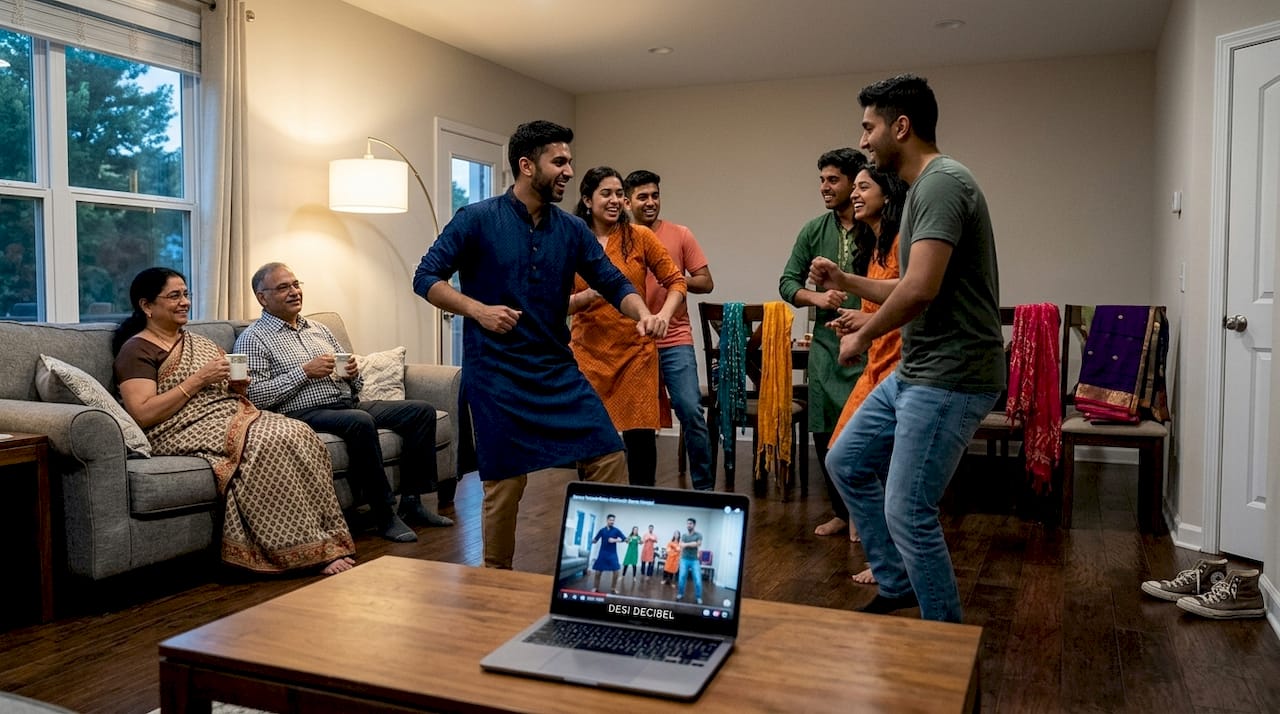
Pro Tip: Assign a family coordinator for each pre-wedding event. This single move reduces last-minute chaos and lets you actually enjoy the celebrations instead of managing them.
The Mayun deserves special mention because it is often underestimated. It is essentially a bride’s wellness retreat, a quiet, intimate ritual before the storm of wedding week. Treating it as sacred rather than skippable pays emotional dividends.
Essential wedding day ceremonies: Rituals and meanings
The wedding day is the emotional and ceremonial peak of the entire celebration. Every ritual carries weight, and understanding what each one means helps you and your guests stay present and connected.
For Hindu weddings, the major rituals follow a clear sequence:
-
Baraat: The groom’s procession, typically arriving with music, dancing, and a live Dhol drummer
-
Jaimala: The garland exchange between bride and groom, symbolizing mutual acceptance
-
Kanyadaan: The father formally gives the bride away, one of the most emotionally charged moments
-
Mangal Pheras/Saptapadi: The couple takes seven steps around a sacred fire, each step representing a vow
-
Mangalsutra: The groom ties a sacred black and gold necklace around the bride’s neck
-
Sindoor: The groom applies vermilion to the bride’s hair parting, completing the marriage
For Pakistani Muslim weddings, the structure is different but equally meaningful. The Nikah ceremony is the Islamic marriage contract, where both parties say “Qubool hai” (I accept) three times in the presence of witnesses. The Baraat follows, and guests often participate in the playful Joota Chupai ritual, where the bride’s sisters hide the groom’s shoes and negotiate a ransom.
| Ritual | Hindu | Pakistani/Muslim |
|---|---|---|
| Core vow ceremony | Saptapadi (7 steps, fire) | Nikah (verbal contract) |
| Groom’s procession | Baraat with Dhol | Baraat with music |
| Symbolic item | Sindoor and Mangalsutra | Mehr (dowry gift) |
| Playful tradition | Joota Chupai (shared) | Joota Chupai |
Enhancing your wedding day with music is one of the most impactful decisions you can make. The right soundtrack during the Baraat or Jaimala transforms a ritual into a memory.
Pro Tip: Brief your DJ or entertainment team on the exact sequence of rituals before the wedding day. Timing the music to each moment, like a soft instrumental during Kanyadaan and an energetic beat for the Baraat entry, makes the whole ceremony feel cinematic.
For couples planning destination celebrations, destination wedding music ideas can help you bring the full cultural experience to any location.
Post-wedding rituals: New beginnings and farewells
If the wedding day is the peak, the post-wedding rituals are the emotional landing. They are quieter, more intimate, and often the moments that stay with families the longest.
For Hindu families, the Vidaai is the farewell ceremony where the bride leaves her parental home. It is deeply emotional, symbolizing the end of one chapter and the beginning of another. The bride throws rice over her shoulder as she leaves, a gesture of gratitude and prosperity for her birth family.
The Vidaai ritual is followed by Griha Pravesh, where the bride enters the groom’s home for the first time. She kicks a pot of rice at the threshold, a symbolic act inviting abundance into the household. These two rituals together create a powerful emotional arc that honors both families.
For Pakistani Muslim weddings, the equivalent farewell is the Rukhsati, which carries the same emotional weight as Vidaai. As Pakistani wedding customs describe, the Walima follows as the groom’s family hosts a reception to celebrate and announce the marriage to their community.
Here are some ways to make post-wedding rituals more memorable:
-
Create a dedicated photo or video moment for Vidaai or Rukhsati, these are the images families treasure most
-
Personalize the Griha Pravesh with flowers or decor that reflects the bride’s personality
-
Use the Walima as an opportunity for a more relaxed, joyful celebration after the intensity of the main day
-
Consider a joint Walima and reception for modern couples blending both families’ guest lists
“The post-wedding rituals are not an afterthought. They are the ceremonies that seal the emotional promise made during the wedding day.”
For inspiration on creative post-wedding celebration ideas or to explore unique regional wedding customs from different South Asian communities, there are rich resources available to help you personalize each moment.
A modern perspective on traditional ceremonies
Here is something most wedding guides will not tell you: doing every ceremony on the list is not the goal. Doing the right ceremonies for your family is.
We have seen couples exhaust themselves trying to include every regional ritual from both families, only to arrive at the wedding day feeling depleted rather than joyful. The ceremonies that resonate most are the ones where everyone in the room understands why they are there.
Social media has created a new kind of pressure, where weddings are benchmarked against highlight reels rather than personal values. The result is often a bloated schedule that looks stunning in photos but feels hollow in the moment. The evolving Indian and Pakistani DJ scene reflects this shift, with entertainment now being curated to match the couple’s story rather than a generic template.
Our advice after 15 years of South Asian weddings: pick the ceremonies that your grandparents would recognize and the ones your children will ask about. Everything else is optional.
Make your wedding unforgettable with Desi Decibel
You have put real thought into your ceremonies. Now the question is: who is going to bring them to life?
At Desi Decibel, we have spent over 15 years mastering the art of South Asian wedding entertainment. From the thundering energy of a Baraat entrance to the soft, emotional underscore of a Vidaai, our top-rated Indian DJs know exactly how to match music to moment. We understand wedding tradition expertise because we live it at every event. Whether you are planning in Florida or anywhere across the country, we bring live Dhol, custom lighting, and cultural fluency to every celebration. Learn more about Indian and Pakistani weddings and reach out to start planning your perfect event.
Frequently asked questions
What is the minimum number of ceremonies in an Indian or Pakistani wedding?
Most weddings include at least six key ceremonies spread across pre-wedding, main-day, and post-wedding events. Weddings typically span 3 to 10 days depending on family tradition and the number of events planned.
Do all Indian and Pakistani weddings include the same rituals?
No, rituals vary significantly by faith, region, and family custom. However, shared cultural elements like the Baraat procession and Mehndi night appear across both Hindu and Muslim South Asian weddings.
What are the emotional highlights of the post-wedding rituals?
Vidaai for Hindu families and Rukhsati for Muslim families are considered the most emotionally charged moments, marking the bride’s farewell from her birth home and her transition into a new family.
How long does a traditional Indian or Pakistani wedding last?
Most traditional South Asian weddings last between 3 and 10 days, with guest counts frequently exceeding 400 people across multiple events.